

Circular business models create enormous value for companies and the planet.
Claims of circular business are often widely exaggerated.
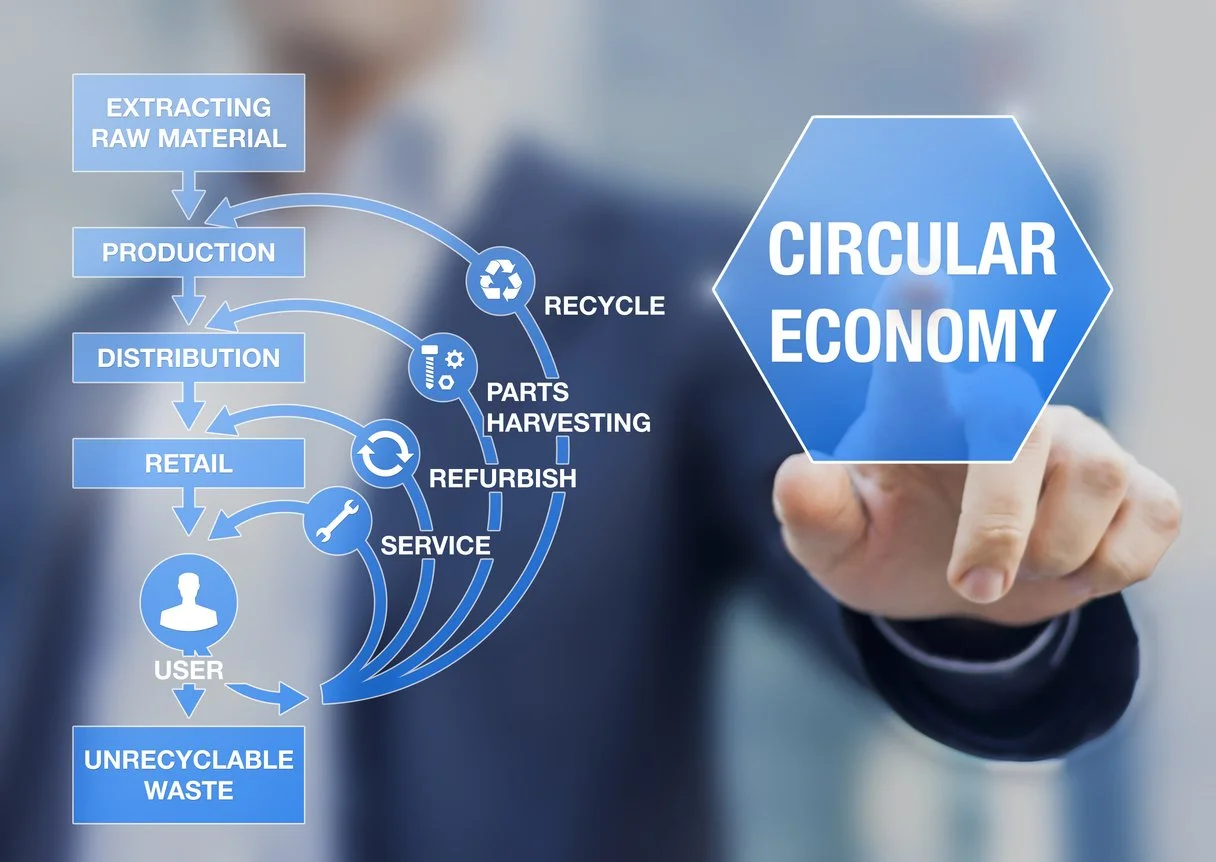
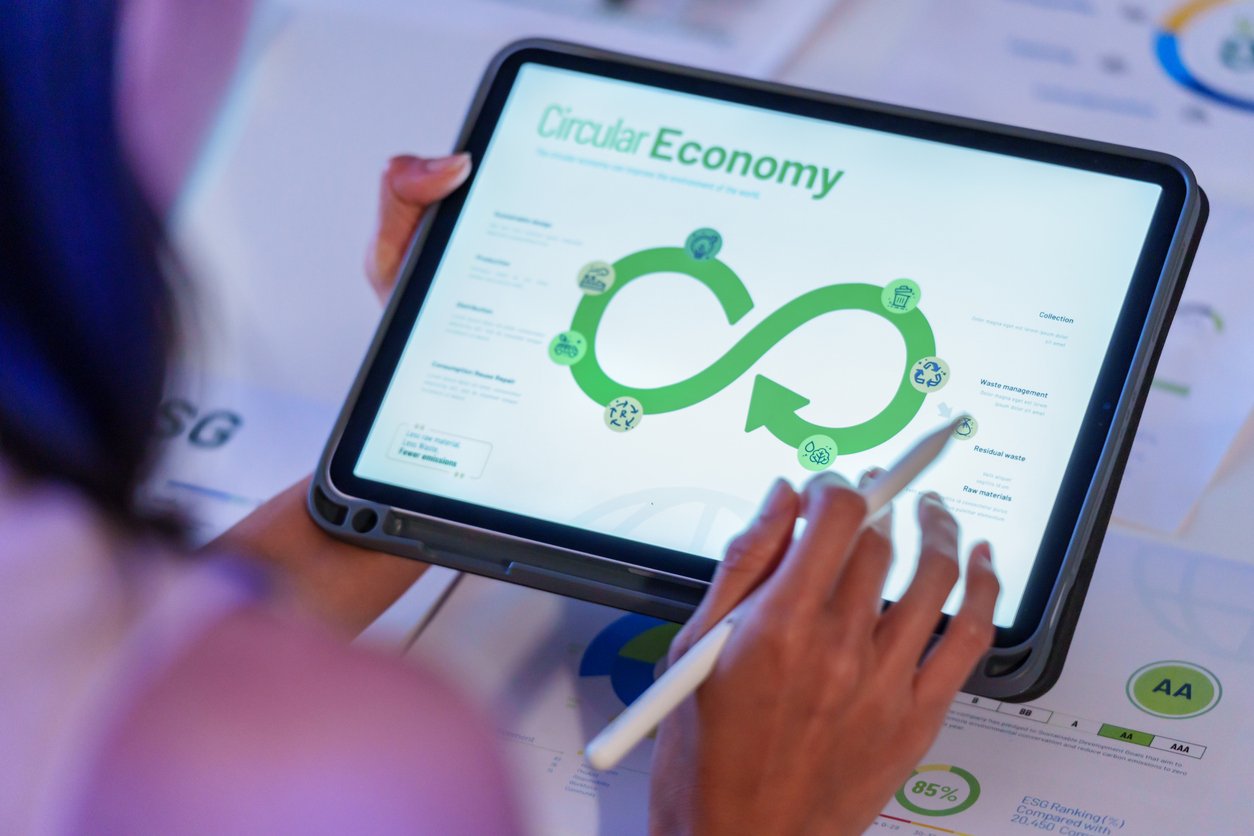
Circular business represents a clear departure from the traditional linear “take-make-dispose” economy. It designs systems in which materials, products and resources retain their highest value through repeated cycles of use, recovery and regeneration.
Instead of extracting virgin resources, manufacturing products and discarding them as waste, circular models keep materials in productive use. They do this through durable and modular product design, reuse and refurbishment, remanufacturing and component recovery, recycling and material regeneration, and service-based models that provide access without ownership, such as product-as-a-service, sharing platforms and leasing.
The goal is to eliminate waste as a concept. Speeki helps demonstrate that commitment to stakeholders.
Global Circularity Protocol (GCP) system conformity assessment
Circular economy and recycled content verification (ISO 14002 and others)

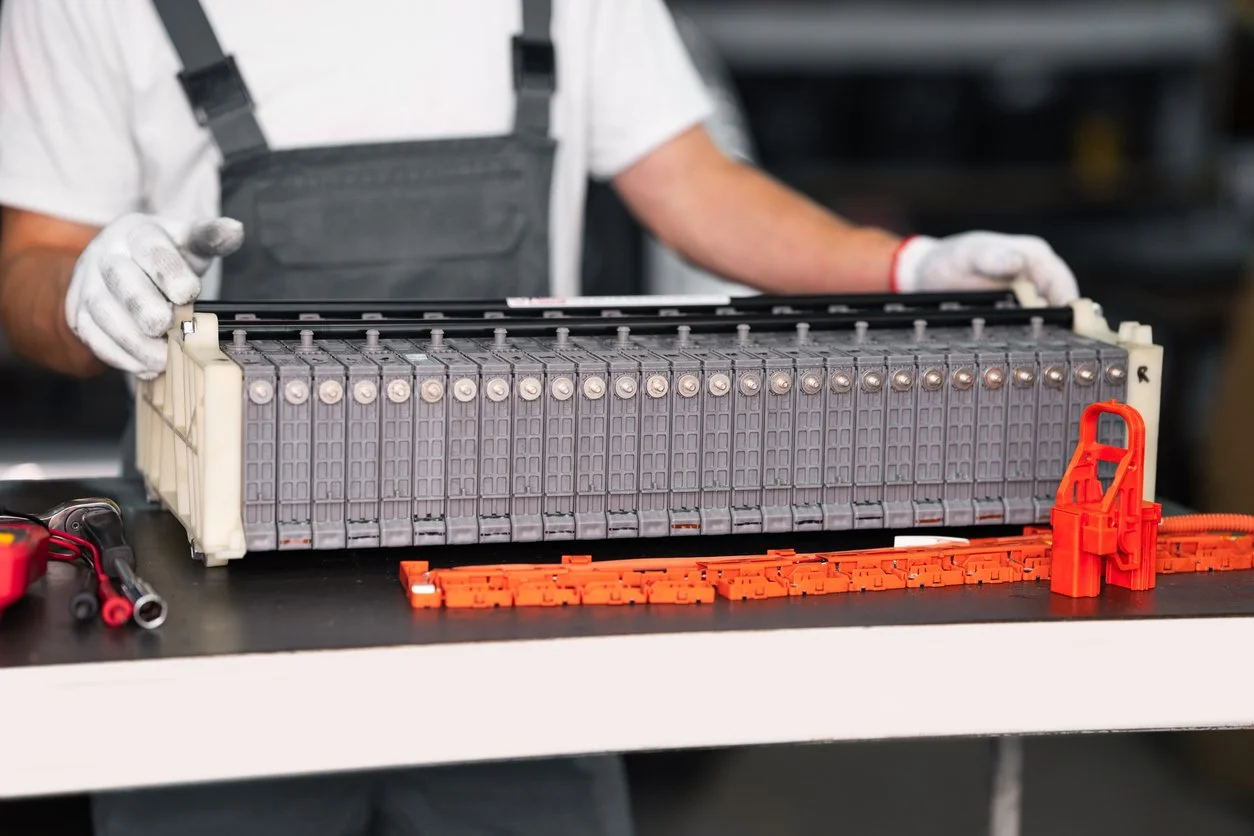
Remanufacturing, refurbishment and product life extension verification
-
Speeki provides independent conformity assessment of organisational circular economy management systems against the Global Circularity Protocol (GCP), including:
material flow analysis
calculation of circularity indicators
integration of circular design principles
value retention strategies
circular economy reporting across operations and value chains.
-
Our conformity assessment examines implementation of GCP requirements, including:
measurement of material inputs and outputs
calculation of circularity metrics using GCP methodologies
definition of system boundaries
tracking of circular economy initiative effectiveness
reliability of circular economy data
alignment with GCP framework requirements.
-
As the GCP emerges as a recognised framework for circular economy measurement, independent conformity assessment provides:
credible verification of circular economy management
demonstration of systematic implementation
early adoption positioning under an emerging global standard
strengthened circular economy disclosures
foundation for future reporting assurance as requirements mature.
-
Speeki provides independent verification of circular economy product claims, including:
recycled content percentages
recyclability claims
product durability and lifetime extension claims
remanufacturing and refurbishment programmes
take-back scheme effectiveness
circular business model assertions.
-
Our verification examines whether circular claims are substantiated and technically valid, including:
mass balance documentation for recycled content
chain of custody from waste collection to manufacturing
recyclability against ISO 14021 and relevant protocols
availability of recycling infrastructure
design for disassembly and material compatibility
durability testing and expected lifetime evidence
substantiation of product-as-a-service and take-back models.
-
As regulators introduce substantiation requirements for circular economy claims, independent verification provides:
compliance with regulations such as the Ecodesign for Sustainable Products Regulation
reduced greenwashing risk
defensible recycled content and recyclability claims
appropriate qualification of theoretical versus practical recyclability
credibility in markets where circular claims influence purchasing decisions
protection against regulatory enforcement and consumer backlash.
-
Speeki provides independent verification of remanufacturing and refurbishment programmes and product life extension claims, including:
remanufacturing processes
refurbishment programmes
product durability claims
lifetime extension claims
repairability and component replaceability claims
circular business models based on product longevity.
-
Our verification examines whether life extension claims and programmes are substantiated and operational, including:
remanufacturing quality standards against original specifications
validation of lifetime extension and durability performance
design for durability features such as modularity and replaceable components
warranty and performance guarantees
substantiation using actual usage data
environmental benefit calculations versus new production
operational effectiveness of repair and upgrade models.
-
As regulators mandate durability, repairability and spare parts disclosure, independent verification provides:
compliance with requirements under the Ecodesign for Sustainable Products Regulation and Right to Repair legislation
reduced risk of exaggerated durability claims
credibility for product life extension disclosures
validation of remanufacturing programme effectiveness
substantiation of circular business models based on longevity
protection against regulatory and reputational risk.
The circular economy and circular business models offer significant potential for companies and consumers. Those that master circular models will gain competitive advantage and unlock new opportunities.
Circular business models fundamentally transform the relationship between value creation and resource consumption.
“Circular business models like product-as-a-service, remanufacturing, and take-back programmes don't just reduce waste, they fundamentally rewire how companies create value, transforming one-time transactions into continuous relationships and end-of-life liabilities into profitable resource streams”.
Scott Lane, Lead Auditor, Speeki
Circular economy assurance by Speeki
Companies that master circular models will discover that keeping materials in productive use is not a constraint on growth – it is a competitive advantage that decouples revenue from virgin resource extraction, insulates supply chains from material scarcity and price volatility and positions businesses as part of the solution rather than contributors to resource depletion and waste.
We know that circular economy initiatives can be complex even before you consider assurance.
Let us help.