
Every company should have a system that manages its impact on the environment.
ISO 14001 is the answer.
Organisations operating without systematic environmental management face escalating risks: regulatory penalties from compliance failures, operational disruptions from environmental incidents, reputational damage when impacts become visible, rising costs from inefficient resource use, lost business opportunities as procurement requirements tighten and investor pressure as ESG considerations influence capital allocation.
Our history with environmental solutions
Since 2020, Speeki has been entirely focused on ESG and sustainability, providing the trust stakeholders need to believe the information companies share with them. Managing carbon emissions, reducing water usage, minimising waste and reducing pollutants are all core elements of effective environmental management.
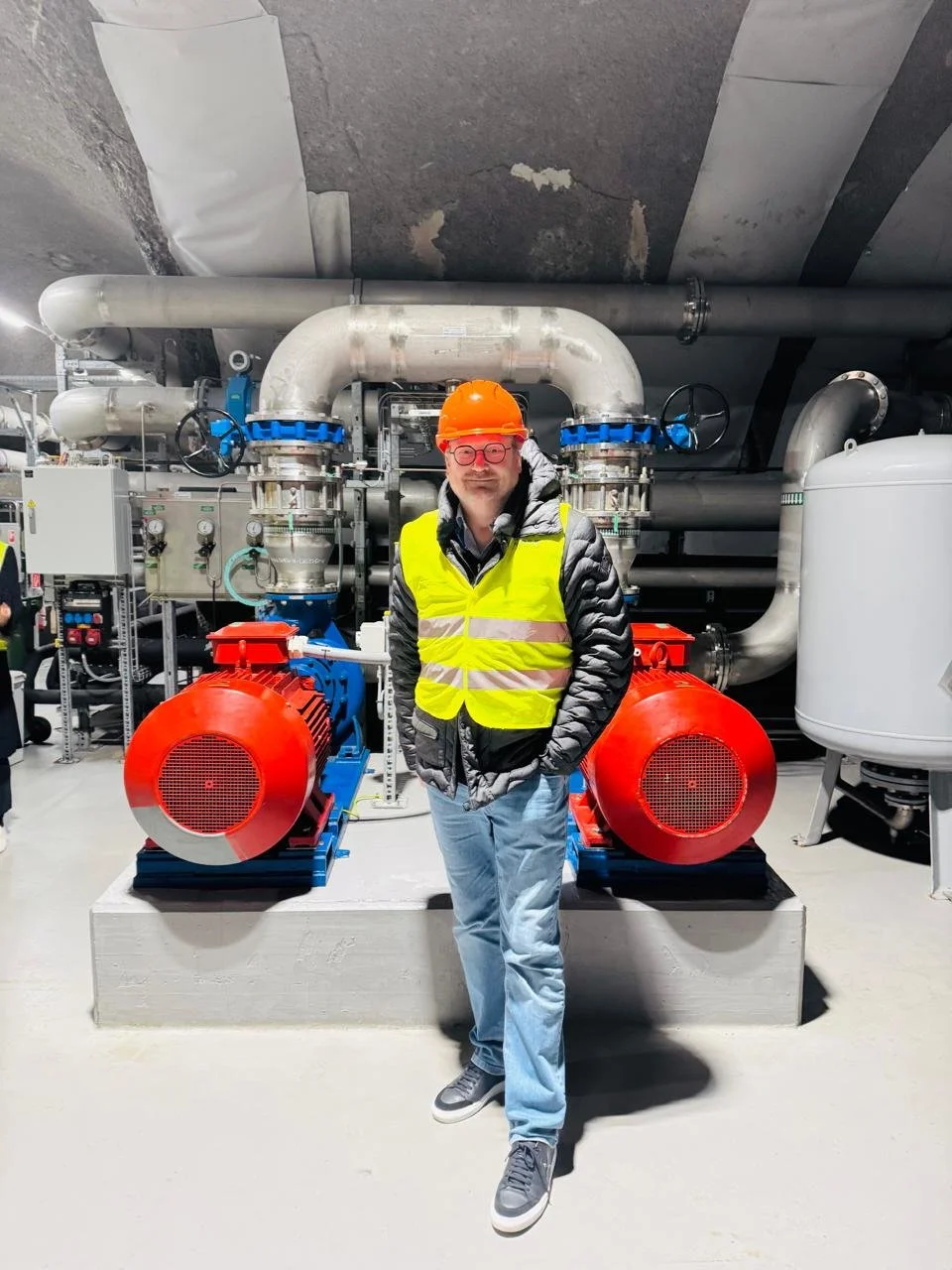
Whether you’re managing modest environmental footprints or complex industrial operations with significant impacts, systematic environmental management is not optional – it is foundational infrastructure for sustainable business operations in an era of tightening regulation, stakeholder activism and climate-driven transformation.

Speeki’s added value
ISO 14001 certification plus AI-driven software to manage your environmental management system
ISO 14001 certification process explained
-
Launching your ISO 14001 environmental management system starts with a clear assessment of your organisation’s environmental footprint and current management practices. The initial focus is on identifying significant environmental aspects – activities, products and services that interact with the environment – and evaluating how those impacts are currently controlled.
This review often reveals inconsistent environmental management across sites, reactive approaches to compliance, limited employee awareness of environmental responsibilities and fragmented tracking of environmental performance data.
ISO 14001 provides a structured framework to bring these elements together into a coherent management system that prevents pollution, ensures legal compliance, improves resource efficiency and delivers measurable environmental performance.
Organisations pursue ISO 14001 certification for clear business reasons: meeting customer procurement requirements, reducing operational costs, managing regulatory risk systematically, differentiating in environmentally conscious markets and supporting corporate sustainability commitments.
The certification process typically takes 6–12 months, depending on operational complexity, environmental risk and existing management systems. The benefits extend beyond certification itself – stronger compliance assurance, lower operational risk, cost savings through efficiency, improved reputation and increased confidence from investors, customers, regulators and communities.
-
Successful ISO 14001 implementation requires more than understanding the standard – it demands the ability to apply its requirements in day-to-day operations. Personnel across operations, facilities management, procurement, product development and senior leadership need practical skills to identify environmental aspects, assess significance, establish controls, ensure legal compliance, respond to emergencies and drive continual improvement. Generic environmental training rarely builds these capabilities.
Speeki delivers focused 2-day and 3-day ISO 14001 training programmes designed to build real implementation competence across your organisation. Each requirement of the standard is examined through real-world scenarios, industry-specific case studies and practical exercises.
Participants gain hands-on experience in:
conducting environmental aspects and significance assessments
establishing legal compliance frameworks
designing operational controls for significant impacts
developing emergency response procedures
implementing monitoring and performance tracking
creating the documentation structure required for certification
The 3-day programme includes extended modules on internal environmental auditing, life-cycle thinking and certification audit preparation.
This training equips your workforce to lead your ISO 14001 implementation, maintain the management system independently and embed environmental thinking into everyday operations – reducing long-term reliance on external consultants and building durable internal capability.
Training is delivered on-site or remotely and is tailored to your industry and operational context, creating shared understanding and a common environmental management language across departments.
-
ISO 14001 is built around identifying and managing significant environmental aspects – the discipline that separates effective environmental management from bureaucratic box-checking. The level of control, monitoring and resources applied should reflect the actual significance of the environmental impacts created by your operations.
A chemical manufacturing facility and a software development company face very different environmental priorities – hazardous waste and emissions control versus energy use and e-waste – yet both can achieve certification by addressing their own significant aspects appropriately.
Determining significance requires a systematic evaluation of:
the magnitude of environmental impacts
applicable legal and regulatory requirements
stakeholder concerns
potential emergency situations
High-significance aspects demand robust operational controls, frequent monitoring, targeted employee training, detailed emergency procedures and senior management oversight. Lower-significance aspects require proportionate controls that maintain compliance without unnecessary operational burden.
This aspect-based focus must flow through the entire management system. Environmental objectives should target significant aspects, operational procedures should concentrate controls where impacts are greatest, competence development should prioritise high-risk activities and management review should focus on material environmental performance.
Organisations that maintain this discipline avoid two common failures: over-engineering controls for minor impacts and under-managing significant risks that lead to compliance breaches, environmental incidents or stakeholder conflict.
Regular reassessment of environmental aspects ensures the system remains effective as operations evolve, regulations tighten and stakeholder expectations change – keeping attention on preventing and reducing the impacts that actually matter.
-
Achieving ISO 14001 certification on the first attempt depends less on perfect environmental performance than on thorough preparation that identifies and resolves system weaknesses before external auditors arrive.
Organisations often invest significant effort in documented procedures only to encounter avoidable issues during certification audits: incomplete environmental aspects registers, shallow or outdated legal compliance evaluations, operational controls that exist on paper but are not applied consistently, monitoring data that is collected but not analysed and emergency procedures that have never been tested.
Speeki’s pre-certification services are designed to eliminate these risks before your certification body conducts its formal assessment.
Our gap analysis evaluates your environmental management system against every ISO 14001 requirement, identifying missing or weak elements such as incomplete aspects registers, inadequate legal tracking, ineffective operational controls, insufficient competence frameworks and documentation gaps that would trigger audit non-conformities.
Following this, we conduct full mock audits that mirror the certification process. These include interviews with operators and management, observation of operations, review of environmental records, testing of emergency preparedness and examination of objective evidence exactly as certification auditors will do.
Mock audits expose not only technical compliance gaps but practical implementation weaknesses – employees unable to explain procedures, documented controls that differ from actual practice, environmental data not used for improvement and management reviews lacking meaningful performance analysis.
Clear, actionable remediation guidance enables focused improvement before the formal audit. For organisations working to tight timelines or managing complex environmental risks, this preparation is critical. Clients using Speeki’s pre-certification support typically achieve first-time certification while building stronger environmental management capability that continues to deliver value after certification.
-
The final weeks before an ISO 14001 certification audit require disciplined planning and verification of operational readiness. All environmental management documentation should be organised for immediate assessor access. Certification auditors will review environmental aspects registers, legal compliance evaluations, operational control procedures, monitoring records, calibration certificates, training documentation, emergency response procedures, incident investigations, management review minutes and evidence of improvement. Delays or gaps suggest poor control.
A clear reference matrix linking each ISO 14001 requirement to supporting documentation and implementation evidence helps auditors navigate the system efficiently.
Audit interviews should be planned carefully, with participants selected based on their real responsibilities. This typically includes environmental coordinators, operations supervisors managing controlled activities, maintenance personnel, procurement staff, emergency response teams and senior management providing leadership oversight.
Audit logistics also matter. Organisations should ensure appropriate meeting spaces, safe access to operational areas, availability of key personnel throughout the audit and minimal disruption to normal operations. Where relevant, monitoring equipment and calibration records should be ready for demonstration.
All participants should understand what auditors will assess. Expect detailed questions on how environmental aspects are identified, how operational controls work in practice, how legal compliance is assured, how emergency preparedness is tested and how environmental data is used to drive improvement.
Auditors do not expect perfection. They value honesty and transparency and respond poorly to deflection or defensiveness. Acknowledging gaps and explaining corrective actions is more effective than attempting to obscure weaknesses.
For most organisations, a well-prepared certification audit can be completed within 2–3 days, although duration increases with the number of sites, operational complexity and environmental risk profile.
-
ISO 14001 certification follows a structured two-stage audit process typically spanning 4–8 weeks from initial documentation review to certificate issuance.
Stage 1 assessment, usually 1–2 days depending on organisational size and complexity, focuses on documentation readiness. Auditors review the design of your environmental management system against ISO 14001 requirements, including environmental policy, aspects methodology, legal compliance framework, operational procedures and preparedness for full operational assessment.
Stage 1 results in a formal report identifying documentation gaps, unclear procedures or missing system elements that must be addressed before Stage 2 can proceed. Most organisations require 2–4 weeks to resolve Stage 1 findings and confirm operational readiness.
Stage 2 assessment, typically 2–4 days, is an on-site evaluation of system implementation and effectiveness. Auditors interview employees, observe operations, review environmental records, test operational controls and verify evidence that the system functions as documented and delivers intended outcomes. This includes confirming monitoring accuracy and examining how environmental data informs decisions.
Following Stage 2, certification bodies complete technical review and committee approval, usually taking 2–3 weeks before issuing the certificate.
After certification, organisations undergo annual surveillance audits (typically one day) and full recertification every three years to maintain validity.
From implementation launch to certification, most organisations complete the process within 6–12 months. Timelines may shorten to 3–4 months where strong environmental programmes already exist or extend to 12–18 months for complex, multi-site operations with higher environmental risk.
Understanding this timeline supports realistic planning, effective resource allocation and audit scheduling that minimises operational disruption.
-
ISO 14001 implementation consulting must be delivered by independent firms to preserve certification integrity. Speeki supports your environmental management system through expert training and technology enablement, strengthening capability without compromising auditor independence.
Speeki delivers focused 2-day and 3-day ISO 14001 training programmes that build the skills needed to interpret standard requirements and apply them in real operational settings. Training develops competence across environmental teams, operations, facilities management and leadership, enabling organisations to lead implementation internally without creating long-term consultant dependency.
Training covers all core elements of ISO 14001 through practical application, including environmental aspects identification, legal obligation management, operational control design, environmental monitoring, emergency preparedness and continual improvement. Content is tailored to your industry and environmental risk profile and delivered on-site or remotely.
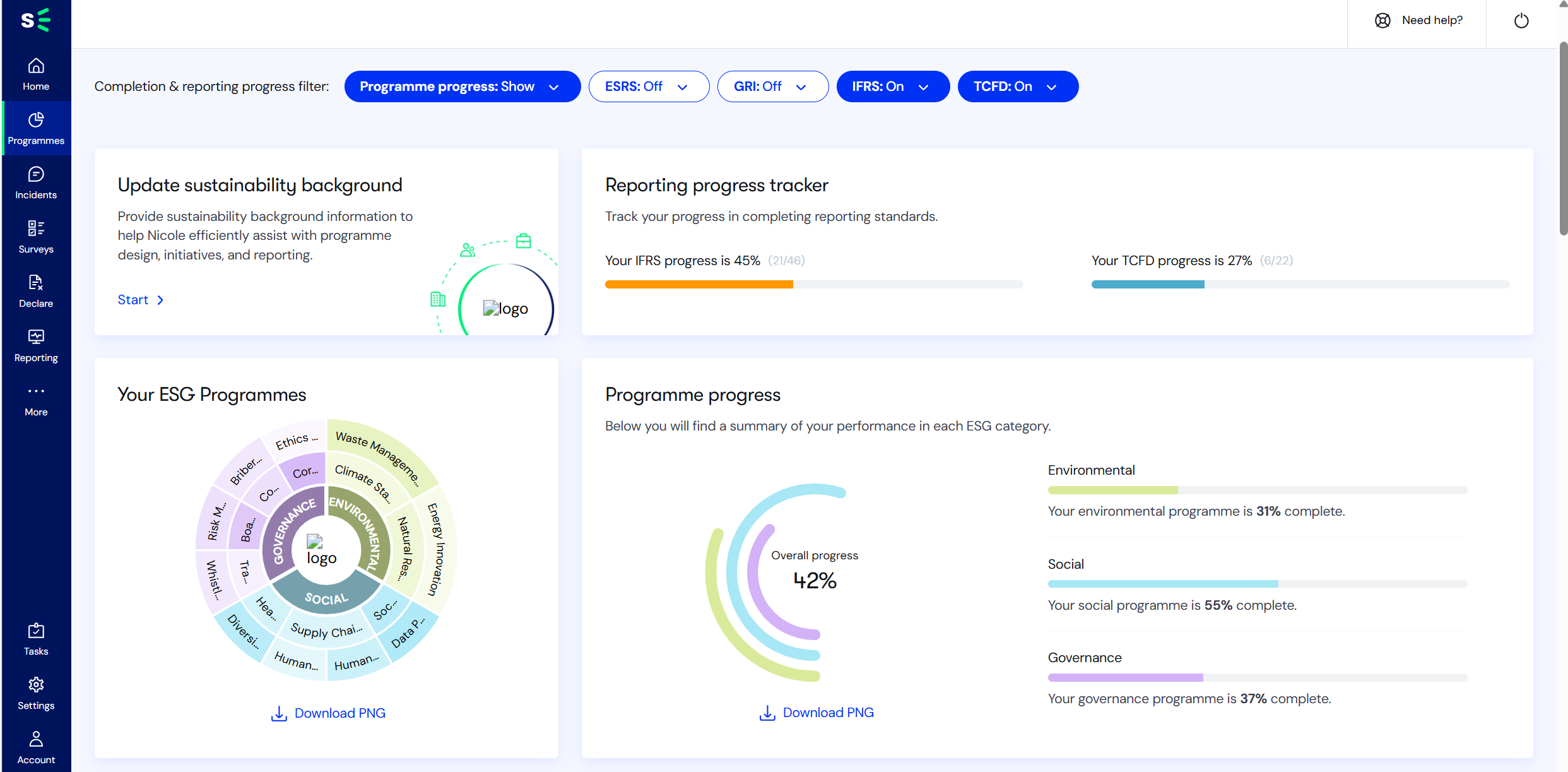
Beyond training, organisations also need systems that make environmental management repeatable, traceable and auditable at scale. The Speeki Engage® platform digitises environmental management processes that are typically handled manually. The platform:
structures environmental aspects registers with automated significance evaluation
maintains legal compliance obligations
centralises operational procedures and work instructions
tracks monitoring data and performance trends
manages calibration schedules
documents competence and training
maintains audit trails
provides management dashboards with real-time environmental performance visibility.
Automated alerts reduce the risk of missed monitoring, compliance deadlines or calibration expiries that lead to audit findings and operational disruption. Engage® also streamlines incident management, corrective actions and improvement tracking to support continual improvement in environmental performance.
Together, expert training that builds internal capability and technology that enables efficient system management provide a strong foundation for ISO 14001. Your chosen consulting partner delivers implementation guidance, while Speeki strengthens the system that supports certification and long-term performance.
-
ISO 14001 certification uses globally standardised assessment methodologies, which makes pricing transparent and comparable across certification bodies. Core cost drivers are daily auditor rates, which vary by provider, assessor expertise and region, combined with the total number of audit days required.
Certification bodies calculate audit duration using consistent criteria, including employee numbers, number and location of facilities, operational complexity, significance of environmental risks and the size of the environmental management function.
As a reference point, a single-site organisation with around 75 employees and moderate environmental risks may require 3–4 combined Stage 1 and Stage 2 audit days. Large or multi-site organisations with significant environmental aspects may require 10–20 or more audit days distributed across locations.
Beyond certification fees, organisations should budget for implementation-related investments such as:
ISO 14001 training for core teams (typically 2–3 days)
legal compliance gaps where current assurance is weak
environmental monitoring equipment or calibration services if needed
technology platforms such as Speeki Engage® when replacing manual or spreadsheet-based systems.
Ongoing costs include annual surveillance audits (typically 1–2 days, depending on scope) and full recertification every three years.
For most organisations, first-year total investment typically ranges from $15,000 to $80,000, depending on complexity. Costs in subsequent years are significantly lower.
Many organisations also realise cost savings through improved operational efficiency, waste reduction, energy optimisation and reduced compliance risk, which can offset certification investment over time.
Requesting detailed quotations early in the planning process allows certification bodies to assess your operational profile and provide accurate audit day calculations, supporting realistic budgeting and avoiding surprises.

Want to learn more about an environmental management system built in line with ISO 14001?
Explore our insights to understand the standard’s requirements and how they should be implemented in practice.
Six key reasons to get certified
1. Reduce environmental impact.
4. Find revenue opportunities through environmental management.
2. Find opportunities to improve the environment and make money.
5. Improve reputation, integrity and customer trust through better management.
3. Meet customer rules on environmental terms and win more business.
6. Meet ncreasing ESG reporting requirements and reduce assurance costs.
Need technology to implement your environmental management system and reduce administrative effort by 60% or more?
Speeki provides an AI-powered platform, Engage®, designed to support ISO 14001 implementation and ongoing operation.
Engage® is purpose-built to align with ISO 14001's systematic framework, providing digital infrastructure mapped directly to standard requirements.
The platform consolidates environmental management elements that are often fragmented across spreadsheets, shared drives and disconnected systems. Environmental aspects, legal obligations, procedures, monitoring data, training records and performance information are brought together in a single, searchable system.
Instead of maintaining disconnected tools that create information silos and audit gaps, Engage® presents your environmental management system as a unified structure. Each environmental aspect is linked to relevant controls, monitoring requirements, legal obligations and performance indicators. This simplifies implementation and day-to-day management: environmental coordinators can see required controls immediately, operations teams access current procedures, management monitors environmental performance in real time and auditors can navigate the system efficiently during certification.
Engage®'s aspects management functionality guides teams through identifying environmental interactions and evaluating their significance, supporting consistent and comprehensive application.
Organisations using Engage® report 60–70% reductions in administrative effort, faster incident response through centralised alerts and improved environmental performance through better data visibility. The platform also supports ongoing audit readiness, so ISO 14001 certification validates an operating system rather than requiring last-minute evidence collection.

Want to learn more about implementing an EnMS and gaining certification?
Explore the Speeki Academy.
Gain an integrated certification by bundling multiple projects to save time and cost.
One audit team. One coordinated project.